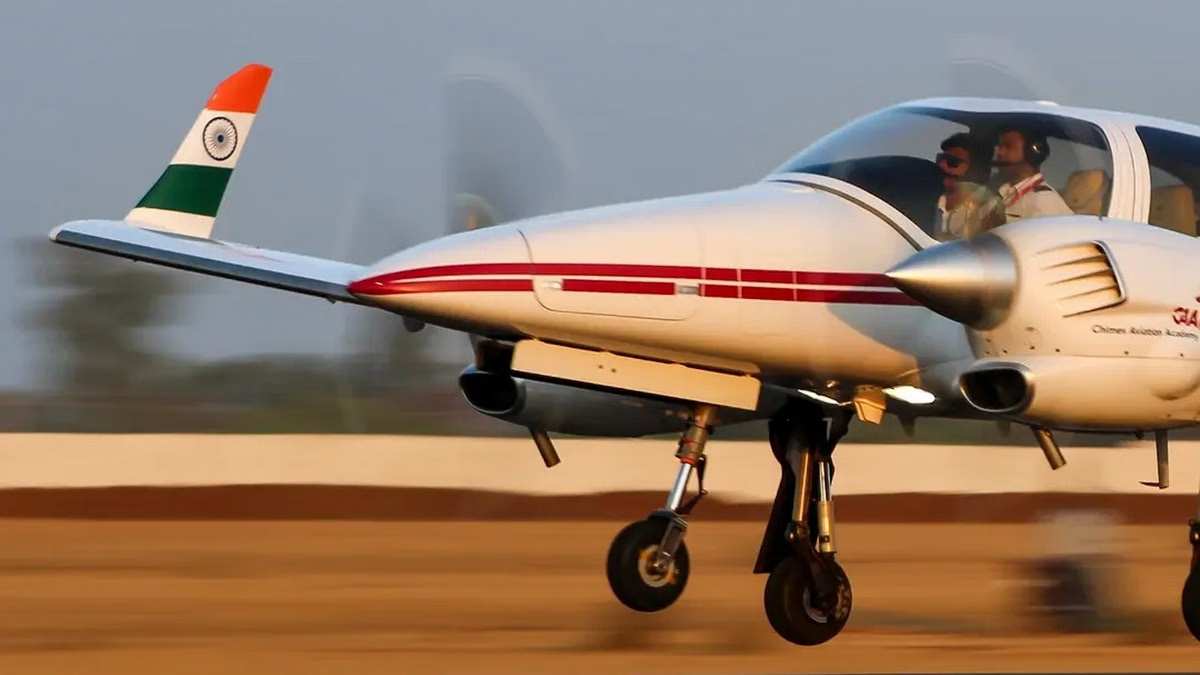
The Indian aviation sector is entering one of its biggest growth phases in history. According to recent statements by the Aviation Minister, India needs 30,000 pilots over the coming years to support the country’s rapidly expanding fleet of aircraft. With nearly 1,700 new aircraft expected to join Indian airlines in the next decade, the demand for skilled pilots is rising faster than ever. This growth marks a transformative moment for the aviation industry and opens massive opportunities for young aspirants who dream of flying.
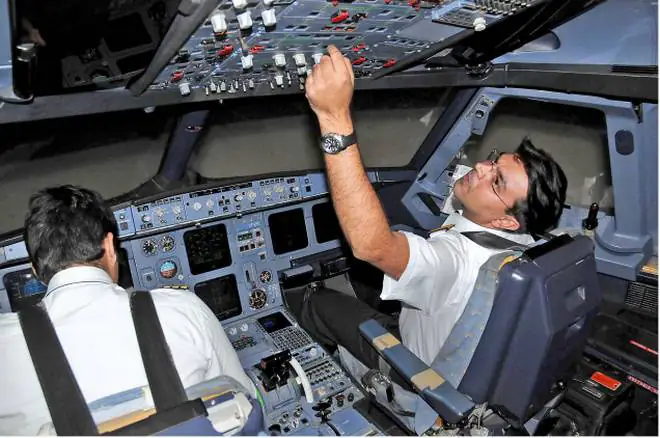
🗾 Japan Earthquake 2025: Shocking Facts, Viral Rumors & the Real Risk of a Megaquake
6 Proven Benefits of DevOps That Help Tech Teams Succeed
Shah Rukh Khan Skyscraper Dubai: 5 Stunning Facts About the “Shahrukhz by Danube” Tower
🏍️ Top 10 Best Electric Bikes in India 2025: Price, Range, and Performance Compared
Why India Suddenly Needs So Many Pilots
One of the biggest reasons why India needs 30,000 pilots is the aggressive expansion plans of India’s leading airlines. Carriers like IndiGo, Air India, Akasa Air, and Vistara have placed record-breaking aircraft orders to meet rising travel demand. India is now one of the fastest-growing aviation markets globally, and airlines need trained professionals for both domestic and international operations.
Currently, India has around 10,000–12,000 active pilots. To operate 1,700 additional aircraft safely, the country must prepare a strong training pipeline. This includes captains, first officers, trainers, and examiners. As older pilots retire and airlines expand flight routes, the requirement becomes even more urgent — another key reason why India needs 30,000 pilots in the near future.
The Rise of Air Travel in India
India’s aviation landscape has undergone massive transformation over the last decade. More people are flying than ever before because of:
Affordable airfares
Regional connectivity (UDAN scheme)
Better airport infrastructure
Growing business travel
Increase in middle-class income
Major cities like Delhi, Mumbai, Hyderabad, and Bangalore are expanding their airports, and many tier-2 and tier-3 cities are now connected to flight networks. As air travel becomes accessible to millions, the pressure on airlines grows — another reason why India needs 30,000 pilots for future operations.
India is also projected to become the third-largest aviation market in the world, further proving the need for this huge pilot workforce.
How India Plans to Train 30,000 Pilots
Training such a large number of pilots requires solid planning and advanced infrastructure. The government and private aviation academies are working together to increase training capacity.
India currently has around 35 DGCA-approved Flying Training Organisations (FTOs), and more are being developed. To meet the rising pilot demand, the government aims to:
Expand FTOs and increase student intake
Improve simulator-based training
Promote partnerships with international aviation schools
Reduce training costs through subsidies and policy support
The goal is to train pilots within India instead of sending students abroad, which often becomes costly. This domestic expansion is crucial because India needs 30,000 pilots trained with high-quality standards.
Career Opportunities for Aspiring Pilots
Because India needs 30,000 pilots, this is one of the best times for young Indians to choose a career in aviation. Pilots enjoy excellent pay, global exposure, and long-term career stability.
A newly trained commercial pilot in India can earn:
₹1.5 lakh to ₹3 lakh per month initially
Senior captains earn far higher salaries
Opportunities to join international airlines are growing
With expanding fleets, international routes, and new airlines entering the market, pilot recruitment will continue rising for the next 10–15 years.
Challenges India Must Address
Even though the future looks promising, the aviation sector faces several challenges:
1. High Training Costs
Pilot training can cost ₹50–80 lakhs, making it difficult for many students without financial support.
2. Shortage of Flight Instructors
Many instructors move to airlines for higher pay, creating a gap at training institutes.
3. Infrastructure Limitations
More simulators, runways, and training aircraft are necessary to train enough pilots.
4. Safety & Regulatory Compliance
As India needs 30,000 pilots, it must ensure that training quality remains top-notch.
India’s Aviation Future Looks Bright
Despite the challenges, India’s aviation sector is on a historic path. Large aircraft orders, airport expansions, and rising travel demand are shaping a dynamic future. The requirement that India needs 30,000 pilots is not just a statistic — it represents a massive opportunity for the next generation.
For students passionate about flying, this is the perfect time to enter aviation. The coming decade will bring modern airports, more jobs, global connectivity, and stronger international presence for Indian airlines.
If there was ever a dream time to become a pilot, it is now — because India needs 30,000 pilots, and the skies are open with possibilities.